Popular Posts

Total Pageviews

WELCOME!

Welcome to the DebiLyn Smith blog site. If you like what you read here, check out her website at www.debilynsmith.com

Thursday, October 25, 2012

Pomegrantes Are Powerful, Proven or Not


If it looks good, tastes good, is a natural fruit with rich tannin colours, then surely it must be good for you? Just how good is in debate across the Internet with many websites touting the words anti-oxidant, Super food etc.


 photo by  "Fir0002/Flagstaffotos".

"Despite limited research data, manufacturers and marketers of pomegranate juice have liberally used evolving research results for product promotion, especially for putative antioxidant health benefits. In February 2010, the FDA issued a Warning Letter to one such manufacturer, POM Wonderful, for using published literature to make illegal claims of unproven antioxidant and anti-disease benefits."

Regardless of this statement, the pomegranate is a fruit high in vitamins, and minerals, bright red in color with a thick skin, and bursting flavor. Based on the fact we are supposed to eat a variety of coloured fruits and vegetables for different health benefits, the pomegranate is now high on the list for me. And it tastes great as well!

Because they are a seedy fruit and take time to consume, many people choose to drink pomegranate juice as a convenient way to acquire the many nutrients. If you want the full benefit of the pomegranate, make sure it hasn't been cut with less beneficial juices such as grape or apple.

To open and seed a pomegranate, you need to cut off each end before making four quarterly interval top to bottom surface cuts into the sides. In a bowl of cool water, pull the fruit into four segments. The water will absorb the staining juices and let the seeds sink to the bottom while the catacomb flesh floats to the top to be later removed with ease.

For a video on how to cut a pomegranate, check this out:


Plastic: Poisonous or Not?


Plenty of us have received the e-mail from the John Hopkins Hospital with warnings of toxins leeching from frozen or hot plastics water bottles and other plastics. 

MythBusters has discredited this e-mail, verifying the J. Hopkins never released this statement and researching the SC & Johnson company, who refute the claims about heating their plastics.
Health Canada (HC) has set safety standards for plastic manufacturers to adhere to. Companies like SC & Johnson that sell Saran Wrap and Zip Lock products. When marked microwave or freezer safe, or if they display a microwave symbol on their packaging,  they are safe. That's not saying there aren't any toxins. It means if there are any, they are at what HC considers to be "safe levels."
Before microwaving, HC suggests to always remove food from packaging like Styrofoam trays and containers not labelled microwave safe. These containers are considered unstable meaning they could melt or warp, potentially "causing harmful chemicals to leech into the food."

That statement acknowledges there is such a thing as leeching from plastics, which tells me there is a risk here.

"Cover the food with a microwave safe lid or microwave safe plastic wrap that does not touch the food. Covering food in the microwave will help trap steam, which will help cook the food evenly and thoroughly. Leave a small gap so that steam can escape."

In my mind, HC is still acknowledging a risk from heating microwaveable plastic without directly saying so.

Did you realize that yogurt containers, margarine tubs and sour cream plastics are meant for cold foods, not for heating? They might not even be freezer safe. When in doubt, stick to stainless steel, glass or clay or freezer-use marked plastics.

I also read this transcripted statement from the show 60 Minutes: Plastic containers come with recyclable numbers on the bottom or lower part of the container. When buying water in bottles, "the better bottles are numbered 1, 2, 4 and 5. Avoid number 3 and 6 for other chemicals. And number 7 means Bisphenol A (BPA)" a bad chemical now banned for use in baby bottles and pacifiers.
If the bottle doesn't say freezer or or microwave safe, I am going to take that as a warning about leaving it to freeze or overheat in my vehicle. What are a few precautions in the face of my health?

Buyer Beware: if a product says it is BPA Free, it may simply mean the company used another unbanned toxin in its place. Do your homework.


The key to avoiding toxins is to simply try and use as many natural products as you can in your daily life. Natural beauty and cleaning products, organic foods and chemical free containers.

A glass water bottle keeps your water tasting great. Try one:

Wednesday, October 17, 2012

"O" Is For OLIVE OIL VS CANOLA OIL


It’s a slippery argument to say the least. 

While both olive and canola oil are deemed heart healthy oils the two are very different. Olive oil is made by pressing ripe olives and collecting their juices; canola oil is made from a hybrid of the rapeseed plant. The different types of olive oil refer to the amount of pressings. Cold pressed being the best method to extract all the nutrients, extra virgin being the first most beneficial pressing while pure and light being the last, least beneficial.

Here's what I found:

Canola oil is manufactured at high temperatures, using a mechanical process that often involves the toxic chemical hexane. Hexane is extremely harmful to humans yet  "probably" safe at the low levels found in Canola oils. Canola oil is degummed, deodorized, bleached and further refined at high temperatures. 
All in all, olive oil is considered the healthier oil because of the nutrients it contains. Extra virgin olive oil contains antioxidants, polyphenols and omega-3 fatty acids with can promote cardiovascular health and cognitive function as well as boosting your immune system and protecting you from many types of cancer. Olive oil can even help prevent or reverse type 2 diabetes, since it helps your body produce adiponectin, a hormone that helps regulate blood sugar levels. Olive oil even has anti-inflammatory properties, and can be of immense benefit to those with inflammatory diseases like arthritis and osteoporosis.
But I also read that that while the two oils are  identical in caloric content (9 calories/gram), canola oil has less saturated fat than olive oil. Your body needs a certain amount of fat per  day (about 25 percent to 30 percent of calories consumed) to function normally, but saturated fat is associated with increased LDL and cardiovascular disease, so canola oil is the better choice. It's also high in the omega-3 fatty acids and other monounsaturated fats that help to promote healthy cardiovascular function. 

So confusing ………………..

Until I found this:
 OMEGA-3 FATTY ACIDS
Unsaturated, or heart-healthy, fats are not identical with regard to their function in the body. Some fall into the sub-category of omega-3 fatty acids, which, according to the Mayo Clinic, are particularly helpful in reducing the risk of heart disease and atherosclerosis (hardening of the arteries). According to Canola Info, canola oil is higher in omega-3 fatty acids (11 percent of the total fat) than olive oil, in which only 1 percent of the total fat is omega-3.

OMEGA-6 FATTY ACIDS
Omega-6 fatty acids also are unsaturated fats, but they are less beneficial to the cardiovascular system than other unsaturated fats. According to the Mayo Clinic, although omega-6 fatty acids don't increase LDL like saturated fats do, they can lead to swelling of artery linings, which is associated with narrowed arteries and heart disease. Canola Info says canola oil contains 21 percent omega-6 fatty acids, a much higher percentage of these less healthy fatty acids than olive oil, which contains only 9 percent.

I think I like the cancer preventitive polyphenols and anitoxidants together with the fact that olive oil is a natural, non-modified food.
Yet you have to also garner in that olive oil has a slight taste where canola oil does not, so health benefits aside, some chefs prefer canola when baking.
Personally, I can’t imagine anything tasting bad when olive flavoured?
You decide.

Wednesday, October 3, 2012

"O" Is For Obesity


We all know being overweight is hard on your body. It stands to reason that being obese is even harder; enough to increase the risk of cancers, heart disease, high blood pressure, diabetes and stroke.

That’s a load of bad lottery tickets. You are bound to win something in the game you’re playing.

But I only have a small muffin top. At what point is a person considered overweight or obese?


I’ve discovered it’s all about body fat. When you have an abnormally high proportion of body fat, you are considered one of the two. To find out which one, you divide how tall you are by how much you weigh. That number will give you your BMI or Body Mass Index. To find out your BMI, go to this link: http://nhlbisupport.com/bmi/

Guidelines established by the National Institutes of Health (NIH) place adults age 20 and older into the following categories based on their BMI:
BMI
BMI Categories
Below 18.5
Underweight
18.5 to 24.9
Normal
25.0 to 29.9
Overweight
30.0 and above
Obese


·         An adult who has a BMI between 25 and 29.9 is considered overweight.
·         An adult who has a BMI of 30 or higher is considered obese.
Keep in mind that this does not directly measure body fat. You need a 1950’s ice gripper gadget named calipers to measure the thickness of your spare tire, but it gives you a good idea. Athletes may have a BMI that identifies them as overweight even though they do not have excess body fat .
That would be me. Yeh right Deb.

So maybe it’s time to trade in your favourite sinful pleasure for something else that rocks your cravings. I turned to figs and dates that absolutely make my teeth sing with sweetness. A salty fan? Eat Dulse, (natural dried seaweed) and whole grain brown rice crackers. A bread-phenatic? Make your bread with gluten-free flours and honey instead of sugar, coconut oil to replace butter and up the healthy nut additions.

And keep moving. The more you move, the more fat you burn.

For more information, talk to your doctor on different ways to lose weight.

Monday, October 1, 2012

Remarkable Rural Writer's Retreat

My ADD had me wound so tight I could have flown through the doors to the general hall at the rustic Banner Mountain Lodge this weekend. Greeted by the Rural Writer's Retreat  organizers from Smither's local writer's group, we were escorted to our rooms: mine a cosy  upstairs loft- a hobbit home I loved and appreciated for the next three days.

We work-shopped and ate, had writing exercises, then ate and completed the day with a game, or wine tasting or our hearing each other's work. We rubbed elbows and raided the fridge for amazing leftovers with authors, publishers and editors.

I got what I went for and more. Filled with wonder, joy, fresh resolve and determination I said good-bye until next year  and left. I don't remember going  home from the retreat, even though I had been driving.

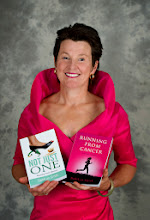
While there I gained overwhelming validation for my self-help cancer book, currently titled Running From The Cancer Cooties.My first "ADD meets Mystery" series was met with equal enthusiasm  I gained more than a few fans. I also became a devotee of Betsy Trumpener (CBC  Daybreak North) who wrote a collection of wild and vivid stories in The Butcher of Penetang, Maggie De Vries of Missing Sarah (a memoir of her beautiful  sister, a drug addict and sex trade worker whose DNA was found on Robert Picton's farm) and publisher Vici Johnstone (Caitlin Press)

Seated here filled with elation and vibrant energy, I realize the need to get this recent book project up and out the door before I lose the momentum I have already created. Publishers are booking Fall of 2014 already and it takes a year for a book to be prepped for publication. But that doesn't mean the manuscript sits idle. No, it is edited and edited , changed and morphed into the most powerful tool it can be. I look forward to seeing the revised edition as much as most of you.

For that reason, the blogs will be sparse and on a "when I need a break" moment only.

Please bear with me. I'll be back to weekly blogging before you know it to finish the alphabetical cancer prevention tips. Then the blogs will continue about ADD facing  life on the road selling books and talking about cancer prevention in a book store near YOU!

Thanks everyone. Keep the Faith!

Saturday, September 15, 2012

"N" Is For All Kinds of Nuts


Feeling tired? Need a mid- morning or mid-day pick up? Don’t reach for another coffee... grab a hand full of raw, unsalted nuts. One hand full can fill you with an amazing amount of energy. Nuts are loaded with nutrients which include essential oils and minerals we may be missing in our diet.

Nuts are high in monounsaturated fats that actually keep us heart-healthy and disease-free.

Healthy nuts are also great sources of protein, minerals and other life-enhancing nutrients. Scientific studies show that different types of nuts and seeds can actually prevent heart disease, weight gain and the accumulation of LDL cholesterol.
...if you don’t eat the entire bowl, that is. A perfect snack would be 10 almonds, walnuts or hazelnuts. Two tablespoons of peanut butter. You get the message. Also, some nuts are much better for you than others. And an added health tip- all nuts should be organic, eaten in their raw state, and not be  irradiated or roasted.

To make it easy for you: walnuts, almonds and hazelnuts are the best choices, but to be fair, here's a list of other nuts and their good and bad points:

Almonds: They stabilize blood sugar and are high in calcium, have the highest fiber content, highest magnesium content and are lower in total fat than most other nuts.

Brazil Nuts: They contain Omega-3s, an essential Fatty Acid and high levels of selenium, which may help to prevent breast cancer. Unfortunately, they tend to be high in unhealthy saturated fat, so eat one or two only.

Cashews: They are high in magnesium (second to almonds), which is a mineral that helps to build strong bones. They are also lower in overall fat than most other nuts. However, they are high in saturated fat and tend to be low in fiber.

Hazelnuts: They are a good source of protein and offer high levels of 
Vitamin E and Beta-Sitosterol, which contribute to heart health and help to fight cancer. They are also high in fiber and low in saturated fat.

Macadamias: They are high in 
monounsaturated fat, are a good source of thiamine and contain small amounts of phosphorous, selenium, calcium and potassium . That said, they are low in protein and high in overall fat.

Peanuts: Really legumes (more similar to peas and beans), peanuts are highest in 
Protein and have small amounts of Omega-3s.

Pecans: They are high in Vitamin E and regular consumption may help to decrease LDL (bad) cholesterol levels. On the down-side, they are low in protein and are higher in fat content than most nuts.

Pine Nuts: Actually seeds from pine trees, Pine Nuts contain large amounts of 
thiamine (Vitamin B1) and Protein. If you are on a diet, they may act as an appetite suppressant.

Pistachios: They are high in calcium, magnesium and Vitamin A, as well as
 fiber and iron. Eating salted ones or more than a handful flattens any benefits.

Walnuts: The All Star! They are high in Vitamin E and have an ideal ratio
of Omega-3 to Omega-6 fatty acids, which have anti-inflammatory properties, protect your heart's health and guard against arthritis. 

 
For a great website on the different types of nuts and their individual benefits and drawbacks, check out the website called How Healthy Are Your Nuts? At http://shine.yahoo.com/healthy-living/how-healthy-are-your-nuts-257237.html

Tuesday, August 21, 2012

"N" is For Nitrates and You're Going to Be Surprised!


My husband is going to love this. After years of warning him against the nitrates in his bacon, cured meats and sausages, I have discovered there is hope for him and his sliced black-forest ham addiction.

Over 80% of the nitrates we eat come from fruit and vegetables. Celery is a good example of a nitrate laden substance. Everyone knows that celery is good for us.
Nitrates are used in foods to preserve colour, taste and to prevent botulism in fats that can turn rancid. Nitrates are not a bad thing, by themselves.  They are used in cured meats such as bacon, ham, hot dogs, lunch meat, corned beef and smoked fish.
 Although nitrates help plants to grow, there are some negative effects when ingested by humans. It is not the nitrates that cause damage; your body metabolizes and converts them into nitrites. In adults, the conversion takes place in the saliva. In infants, it takes place in the gastrointestinal tract.
If sodium nitrite mixes with any amino acids in our stomach, things like nitrosamines can be formed and that’s where the trouble starts.
Nitrosamines are very nasty versatile substances that can change DNA and lead to cancerous abnormalities in cells. They are proven carcinogens which can also be formed when cooking meats with nitrates at high temperatures.
The bad news is almost everything you eat has amino acid in it, including beer, wine, tea, cigarette smoke, fish, and cereals. So do some prescription drugs, including oral contraceptives, antidepressants, tranquilizers, analgesics, nasal decongestants, antihistamines, and diuretics.

Okay, so that’s it for you and the bacon? Not so fast. Studies show that eating certain foods with your nitrated foods can counter-act the formation of the nitrosamines. Vitamin C in any form as well as garlic, pineapple, carrots, green peppers, strawberries and tomatoes all do the same thing. So that’s the good thing about BLT’s and the bad thing about plain old bacon and eggs (unless you have sliced tomatoes or eat yours and everyone else’s orange-slice garnish).
Make sure to cook your bacon slower and at a low to medium high heat. Try cooking it in the microwave wrapped in paper towel to prevent splatters.

Having one feed of nitrate-laced meat chased by a beer will probably not give you cancer. It’s when you make a habit out of all that saturated fat and salt in things like bacon. 
In the meantime, I’ll be serving a bowl of fruit salad beside my husband’s next “extra-lean, sodium reduced” ham sandwich. Me? I’ll be eating my words of warning about cured meats.